"Land of Temples and Cultural Heritage"
Key details about Tamil Nadu's upcoming legislative assembly elections
Understanding the state's rich political and cultural landscape
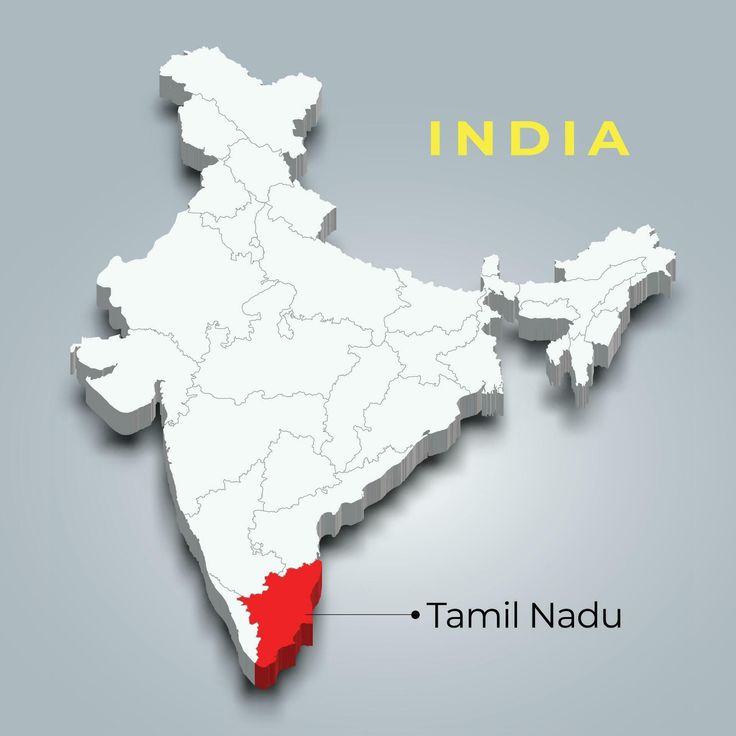
Tamil Nadu, located in the southernmost part of India, is known for its rich cultural heritage, ancient temples, and vibrant political landscape. The state has been a cradle of Dravidian politics and has played a significant role in shaping India's federal structure.
Tamil Nadu's political history is dominated by Dravidian parties, particularly the Dravida Munnetra Kazhagam (DMK) and All India Anna Dravida Munnetra Kazhagam (AIADMK). The state witnessed the decline of the Indian National Congress in the late 1960s, when the DMK came to power for the first time in 1967 under the leadership of C.N. Annadurai.
Since then, Tamil Nadu politics has been characterized by a bipolar contest between DMK and AIADMK alliances. Legendary leaders like M. Karunanidhi and J. Jayalalithaa dominated the state's political landscape for decades. The state is known for its welfare schemes, rational political discourse, and strong regional identity.
Tamil Nadu has a unique political culture characterized by strong regionalism, Dravidian ideology, social justice movements, and a focus on Tamil identity and language rights. The state has been at the forefront of demanding greater state autonomy and has consistently advocated for federal principles.
Tamil Nadu is one of India's most industrialized states with a diverse economy spanning manufacturing, information technology, textiles, agriculture, and services. Chennai, the capital city, is a major automotive and IT hub. The state is also known for its textile industry, particularly in Coimbatore and Tirupur.
With 234 assembly constituencies and 39 Lok Sabha seats, Tamil Nadu is a crucial state in both state and national politics. The state's electoral verdicts often reflect the performance of the state government on welfare schemes, governance, and regional aspirations. Tamil Nadu voters are known for their political awareness and high voter turnout.
The 2026 Tamil Nadu Assembly elections will be crucial as the DMK-led government seeks a second consecutive term. Key issues likely to dominate the campaign include economic development, social welfare schemes, employment generation, educational reforms, and the state's relationship with the central government.
Current distribution of seats in the Tamil Nadu Legislative Assembly
Full list of 234 constituencies – current delimitation (2026 elections)
| No. | Constituency | District | Lok Sabha Constituency |
|---|
Critical factors that will shape the upcoming elections
Job creation, industrial development, and economic growth remain top priorities. The state's performance in attracting investments and creating employment opportunities will be crucial.
Tamil Nadu's welfare schemes, including free rice distribution, healthcare services, and social security programs, will be key campaign topics.
Quality of education, professional college admissions, and skill development programs will influence voter sentiment, especially among youth.
Water scarcity, Cauvery river dispute, and drinking water supply remain critical issues affecting both urban and rural populations.
Farmer welfare, agricultural pricing, irrigation facilities, and support for rural communities will be important campaign themes.
Federal relations, state rights, opposition to central government policies, and regional identity politics will shape the electoral discourse.